Rhubarb Nutrition Information
What IS Rhubarb? Is Rhubarb Healthy?
Interested in Rhubarb Nutrition?
What are the Nutritional Values of this food?
Is it Healthy? What is the Calorie Count?
#ad GIFT IDEA: Cool Breakfast Stations
(Click on the LINK for more Information)


*FTC Disclosure: As an Amazon Associate I may earn from qualifying purchases with no extra cost to you
*FTC Disclosure: As an Amazon Associate I may earn from qualifying
purchases with no extra cost to you
The rhubarb plant, with edible, long, fleshy, petioles is classified as a vegetable ... not a fruit.
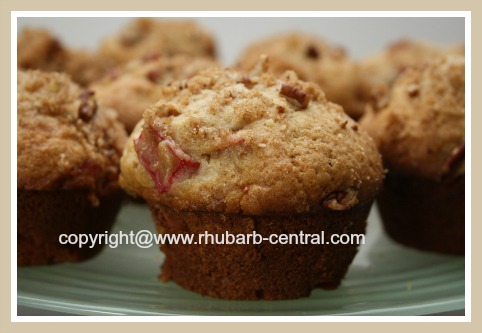
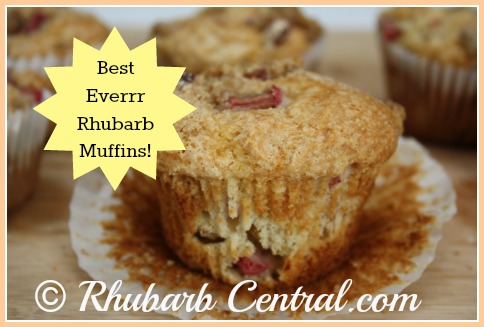
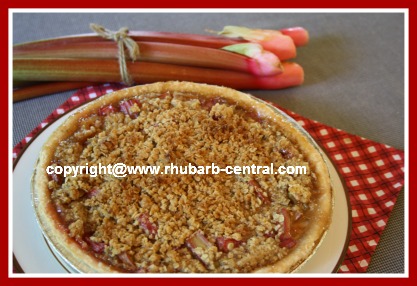
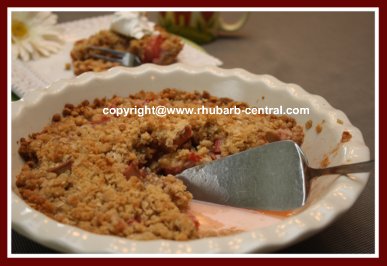
Because it is a very versatile vegetable, and used for baking pies, cakes, muffins, breads, cookies, and more, it is often thought of as a fruit ... however, rhubarb is a vegetable!
You can eat your vegetables, and have your cake, at the same time!
Nutritionally, it is low in calories (1 cup, diced contains approximately 26 calories.)
This vegetable is made up of about 95% water, and is quite acidic (pH 3.1).
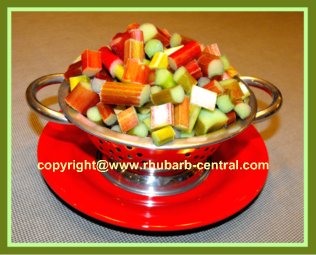
The acid is usually well offset by the addition of sugar when it is baked or stewed, or used as an ingredient in any recipe.
Of course, the addition of sugar increases the calorie count.
An alternative to using granulated sugar is to sweeten it by combining it with other, sweeter foods, such as strawberries, apples, peaches or other fruits. Or try sugar substitutes such as "Splenda" alone, or in combination with other sugars in rhubarb recipes.
Many people also like to eat fresh rhubarb raw. Sometimes it is eaten raw by first dipping it into sugar, honey, or salt.
Check out the link below to read what others have to say about how they enjoy rhubarb uncooked!
GO to Tips for Eating Rhubarb Raw
The "pie plant" contains a fair amount of potassium, vitamin C, Vitamin A, dietary fibre, and calcium.
Although the calcium content is quite high, unfortunately the calcium content it supplies is bound by oxalic acid and so it is not easily absorbed by the body.
Also, keep in mind that calcium from plant sources is not usually absorbed by the body as well as calcium intake from dairy products such as milk.
Rhubarb Nutrition Facts
For 1 Cup of Diced, Raw Rhubarb:
Calories ....................26
Dietary Fibre ................2 grams
Protein ......................1 gram
Carbohydrates .................6 grams
Vitamin C ...................10 mg
Vitamin A ..................122 IU
Folic Acid .................8.7 mg
Calcium ....................105 mg
Potassium ..................351 mg
There are also claims of additional health benefits, such as anti-cancer properties, aiding indigestion, lowering blood pressure, diminishing hot flashes, lowering cholesterol, and reports of anti-oxidant, anti-inflammatory, and anti-allergy properties.
Rhubarb has been used for medicinal purposes for hundreds of years, in fact it is one of the most commonly used herbs in Chinese Medicine.
It is the roots and rhizome of the rhubarb plant which are used for medicinal purposes. The root pieces are dried and processed to be made available in liquid, capsules and teas.
To read about the medicinal benefits of rhubarb,
GO to Medicinal Benefits of Rhubarb
Considering that this is a healthy vegetable to include in your dietary intake, why not grow it in YOUR garden?
It is very easy to grow, takes very little plant care, and even the smallest property size can accommodate this very versatile plant!
Are you looking for an easy, low maintenance vegetable to grow with kids? This is the easiest vegetable to have in your garden, and definitely a money saving adventure!
Growing this vegetable provides the potential for a lot of rhubarb in the freezer, all ready to bake and cook with during the winter months...for a cost of "next to nothing"!
Yummy ... a Vegetable ... in a Pie, or in a Cake!
TOP of Rhubarb Nutrition
HOME to Rhubarb-Central.com's Homepage

Enjoy this Page? Please Share!
©2010-2025 Rhubarb-Central.com
All Rights Reserved Worldwide
No Reproduction Permitted Without the Expressed
Written Consent of the Site Owner





Is Your Rhubarb "Stringy" when you cut it? I LOVE my Inexpensive, Easy-to-Use Knife Sharpener
↡↡↡

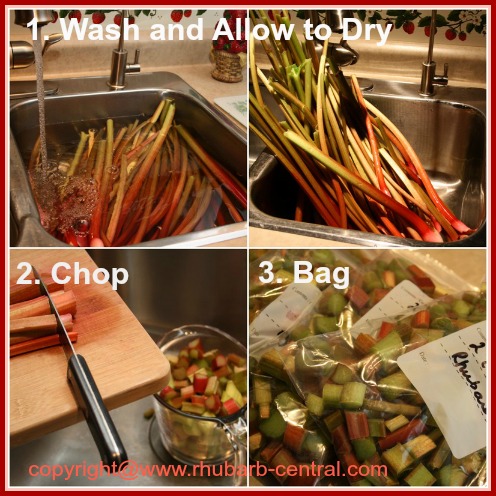
HOW to
FREEZE Rhubarb
in 3 EASY STEPS!


